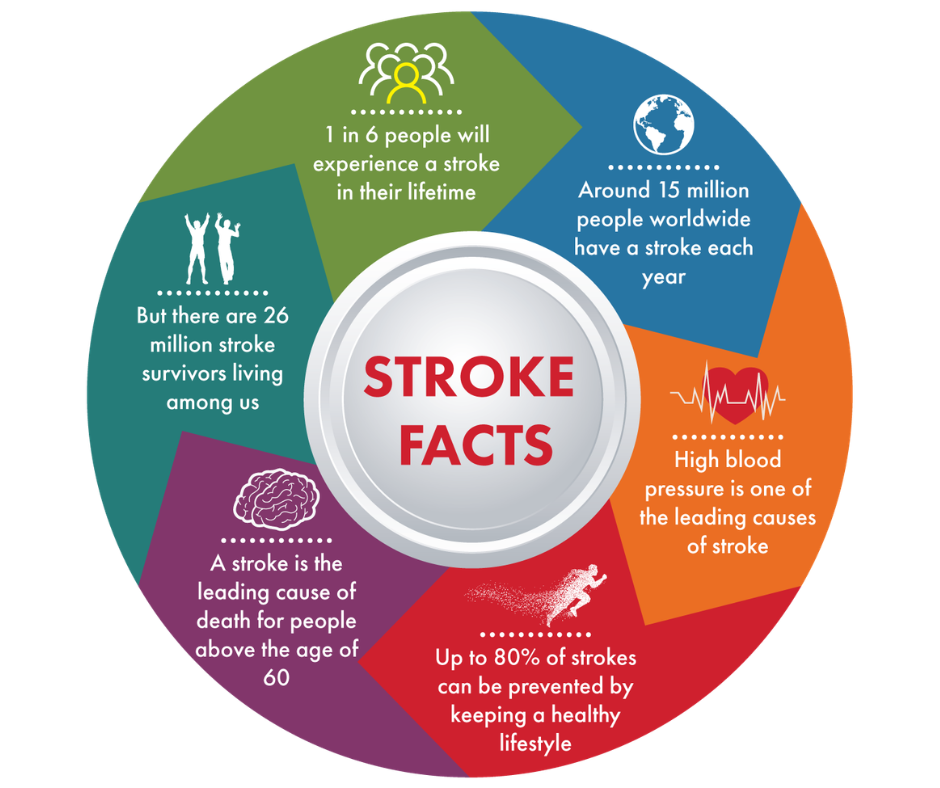
A stroke can change many aspects of daily life.
For some people, one of the biggest challenges during recovery is something that was once taken for granted: getting dressed.
Tasks such as fastening buttons, pulling on trousers, managing zips or putting on socks can suddenly become difficult due to weakness, reduced coordination or limited use of one side of the body.
At Able2 Wear, we understand how frustrating these challenges can be. We regularly speak to stroke survivors and their families who are looking for practical ways to make dressing easier while maintaining dignity, comfort and independence.
In this guide, we’ll explore some common dressing difficulties after a stroke, practical solutions that may help and the role adaptive clothing can play during recovery.
Why Can Dressing Become Difficult After a Stroke?
Every stroke affects people differently.
Some stroke survivors experience:
- Weakness on one side of the body
- Reduced hand function
- Limited grip strength
- Balance difficulties
- Fatigue
- Reduced coordination
- Changes in sensation
These challenges can make everyday dressing tasks more difficult and time-consuming.
For many people, activities that once took a few minutes may require considerably more effort.
Common Dressing Challenges After Stroke
Managing Buttons and Zips
Fine motor skills are often affected following a stroke.
This can make small fastenings difficult to manage.
Buttons, hooks and traditional zips may become frustrating and increase dressing time.
Dressing with One Hand
Many stroke survivors experience weakness or paralysis on one side of the body.
Learning new dressing techniques often becomes an important part of rehabilitation.
Fatigue During Dressing
Fatigue is one of the most commonly reported effects of stroke.
Activities such as getting dressed may require significant energy, particularly during the early stages of recovery.
Balance and Stability
Some people find it difficult to stand while dressing.
This can create safety concerns and increase the risk of falls.
Practical Tips for Easier Dressing After a Stroke
Allow Extra Time
Rushing often increases frustration.
Allowing additional time for dressing can help reduce stress and improve confidence.
Dress While Seated
Many healthcare professionals recommend dressing while seated where possible.
This may improve stability and reduce the risk of falls.
Lay Out Clothing in Advance
Preparing clothes beforehand can make the process easier and more organised.
Choose Simpler Clothing
Garments with fewer fastenings may help reduce frustration.
Loose-fitting clothing and adaptive garments can often be easier to manage.
Follow Occupational Therapy Advice
Occupational therapists frequently provide personalised techniques and dressing strategies based on individual needs.
How Adaptive Clothing Can Help Stroke Survivors
Adaptive clothing is designed to simplify dressing and improve comfort.
Features that many stroke survivors find useful include:
Velcro Fastenings
Often easier to manage than traditional buttons.
Side Zip Openings
Can simplify dressing and make garments easier to put on and remove.
Drop Front Designs
Can improve access while supporting independence.
One-Handed Friendly Features
Some adaptive garments are specifically designed to be easier to manage using one hand.
Comfortable Seated Designs
Helpful for people who spend significant periods sitting during recovery.
The Emotional Side of Dressing After Stroke
The challenges associated with dressing aren’t purely physical.
Many stroke survivors experience:
- Frustration
- Loss of confidence
- Reduced independence
- Anxiety about needing assistance
Finding practical solutions and regaining confidence with everyday tasks can be an important part of recovery.
Small improvements often have a significant impact on overall wellbeing.
Organisations That Can Help
If you or a loved one are recovering from a stroke, these organisations provide valuable information and support.
Frequently Asked Questions
Why is dressing difficult after a stroke?
A stroke can affect movement, coordination, balance, strength and hand function, all of which can make dressing more challenging.
What clothes are easiest to wear after a stroke?
Many people find loose-fitting clothing, adaptive garments and clothes with easier fastenings simpler to manage during recovery.
Can stroke survivors dress themselves?
Many stroke survivors can regain independence with dressing, although the level of support required varies from person to person.
What is one-handed dressing?
One-handed dressing refers to techniques used by people who have limited use of one arm or hand, often following a stroke.
Are there special clothes for stroke survivors?
Yes. Adaptive clothing is available with features such as Velcro fastenings, side openings and easy-access designs to help make dressing easier.
Can adaptive clothing help carers?
Many carers find adaptive clothing easier to manage, helping reduce dressing time and physical strain.
How can occupational therapy help with dressing?
Occupational therapists can teach dressing techniques, recommend equipment and suggest practical adaptations based on individual needs.
How long does it take to regain dressing independence after a stroke?
Recovery varies significantly. Some people regain independence quickly, while others may require ongoing support or adaptive solutions.
Regaining Confidence One Step at a Time
Recovery after a stroke looks different for everyone.
While dressing challenges can be frustrating, practical strategies, adaptive clothing and appropriate support can often help make daily routines easier.
At Able2 Wear, we understand that maintaining independence matters. By finding clothing designed around real-life challenges, many stroke survivors discover that everyday tasks become more manageable, comfortable and less stressful.