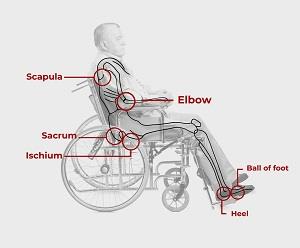
For people who spend significant periods seated, maintaining skin health is an important part of everyday wellbeing.
Pressure sores are a concern for many wheelchair users, carers and healthcare professionals because they can develop when pressure reduces blood flow to an area of skin over time.
Understanding the risks, recognising the early warning signs and knowing where to seek support can help people make informed decisions about their care and comfort.
At Able2 Wear, we regularly speak to wheelchair users and carers who are looking for ways to improve comfort during long periods of sitting. While clothing alone cannot prevent pressure sores, suitable garments can help reduce unnecessary friction and discomfort and form part of a wider approach to seated comfort.
What Are Pressure Sores?
Pressure sores, sometimes known as pressure ulcers or bed sores, are areas of skin and underlying tissue that become damaged due to prolonged pressure.
They most commonly develop over bony parts of the body, such as:
- Tailbone
- Hips
- Buttocks
- Heels
- Ankles
- Elbows
Anyone can develop a pressure sore, but the risk is often higher for people with limited mobility.
Why Wheelchair Users May Be at Greater Risk
Many wheelchair users spend long periods in the same seated position.
This can increase pressure on certain areas of the body, particularly if movement is limited.
Additional factors that may increase risk include:
- Reduced mobility
- Limited sensation
- Poor circulation
- Certain medical conditions
- Moisture affecting the skin
- Poorly fitting seating systems
Understanding these risk factors is often the first step towards reducing them.
Early Signs of a Pressure Sore
Recognising the early signs is important.
Warning signs may include:
- Redness that doesn’t fade
- Discoloured skin
- Tenderness or pain
- Warm areas of skin
- Swelling
- Changes in skin texture
If you notice any of these symptoms, it’s important to seek advice from a healthcare professional.
Practical Steps That May Help Reduce Risk
Regular Position Changes
Where possible, changing position regularly can help relieve pressure on vulnerable areas.
Many healthcare professionals recommend pressure-relieving movements throughout the day.
Appropriate Seating
Wheelchair cushions and seating systems can play an important role in pressure management.
An occupational therapist or seating specialist can provide advice tailored to individual needs.
Good Skin Care
Checking the skin regularly and keeping it clean and dry can help identify potential problems early.
Nutrition and Hydration
A healthy diet and adequate hydration can support overall skin health.
Comfortable Clothing
Clothing should not create unnecessary pressure, friction or discomfort during prolonged periods of sitting.
Features that many wheelchair users find beneficial include:
- Flat seams
- Soft fabrics
- Reduced bulk
- Proper fit when seated
- Flexible waistbands
While clothing is only one part of pressure management, comfort remains important for people who spend much of the day seated.
How Adaptive Clothing Can Improve Comfort
Many standard garments are designed around standing and walking rather than prolonged sitting.
This can sometimes lead to:
- Fabric bunching
- Pressure from seams
- Restrictive waistbands
- Fastenings pressing against the body
Wheelchair-adaptive clothing is often designed to minimise these issues and improve overall comfort.
Common features include:
- Higher backs and lower fronts
- Flat seams
- Seated-fit designs
- Adaptive fastenings
- Softer fabrics
These features can help create a more comfortable experience throughout the day.
Organisations That Can Help
If you’re concerned about pressure sores or need specialist advice, the following organisations provide valuable information and support.
- NHS Pressure Ulcers Information
- Spinal Injuries Association
- Scope
- Disability Rights UK
- MS Society UK
- Parkinson’s UK
Frequently Asked Questions
What causes pressure sores in wheelchair users?
Pressure sores are caused by prolonged pressure on the skin, often combined with factors such as limited mobility, reduced sensation, moisture or poor circulation.
What are the first signs of a pressure sore?
Early signs may include redness, skin discolouration, tenderness, warmth, swelling or changes in skin texture.
Can pressure sores be prevented?
Risk can often be reduced through regular repositioning, appropriate seating, skin checks, good nutrition and professional advice where needed.
How often should wheelchair users check their skin?
Many healthcare professionals recommend regular skin checks, particularly for areas that experience prolonged pressure.
Can clothing cause pressure sores?
Clothing is unlikely to be the sole cause of a pressure sore, but poorly fitting garments, bulky seams or uncomfortable fastenings may contribute to discomfort and friction.
What clothing is best for people at risk of pressure sores?
Many people prefer clothing with flat seams, soft fabrics and designs created for seated comfort to help minimise unnecessary pressure and irritation.
Are wheelchair users always at risk of pressure sores?
Not all wheelchair users will develop pressure sores, but understanding risk factors and maintaining good skin care is important.
When should I seek medical advice about a pressure sore?
If you notice persistent redness, broken skin, pain or signs of infection, you should seek advice from a healthcare professional as soon as possible.
Understanding Comfort and Skin Health
Pressure sores are a serious issue that can affect people with limited mobility, but understanding the risks is an important step towards managing them.
At Able2 Wear, we understand that comfort matters. While adaptive clothing is only one part of the picture, clothing designed for prolonged sitting can help reduce unnecessary discomfort and support overall wellbeing as part of a wider approach to wheelchair comfort and daily living.