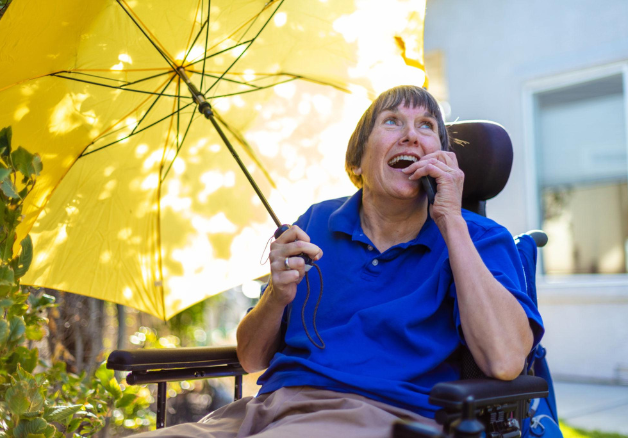
Multiple Sclerosis (MS) affects everyone differently.
For some people, symptoms are relatively mild. For others, MS can have a significant impact on mobility, energy levels, dexterity and day-to-day independence.
While there is no single MS experience, many people living with the condition encounter similar practical challenges throughout their daily lives.
At Able2 Wear, we regularly speak to customers living with MS, as well as family members and carers looking for ways to make everyday tasks easier and more comfortable.
In this guide, we’ll explore some of the most common challenges associated with Multiple Sclerosis, practical solutions that may help, and how adaptive clothing can support comfort and independence.
What Is Multiple Sclerosis?
Multiple Sclerosis is a condition that affects the central nervous system.
It occurs when the body’s immune system mistakenly attacks the protective covering around nerves, disrupting communication between the brain and the rest of the body.
Symptoms vary widely but may include:
- Fatigue
- Muscle weakness
- Balance problems
- Reduced coordination
- Mobility difficulties
- Numbness or tingling
- Vision problems
- Reduced hand function
Because symptoms vary so much, every person’s experience is unique.
Fatigue: One of the Most Common Challenges
Fatigue is often described as one of the most difficult symptoms of MS.
Unlike ordinary tiredness, MS-related fatigue can be overwhelming and may affect even simple daily activities.
Tasks such as:
- Getting dressed
- Preparing meals
- Shopping
- Housework
- Travelling
can require significantly more energy than they once did.
Many people find that conserving energy becomes an important part of daily life.
Practical Tips
- Break tasks into smaller steps
- Plan activities around energy levels
- Allow extra time for daily routines
- Use equipment and adaptations where appropriate
Mobility Challenges
Many people with MS experience mobility changes over time.
This might include:
- Difficulty walking long distances
- Balance issues
- Muscle weakness
- Reduced stamina
Some people use mobility aids such as walking sticks or rollators, while others may use wheelchairs either occasionally or full-time.
Using mobility aids is often about maintaining independence and conserving energy rather than giving up mobility.
Dressing Can Become More Difficult
Many people living with MS report that dressing becomes increasingly challenging.
Reasons may include:
- Reduced hand strength
- Fatigue
- Poor balance
- Muscle weakness
- Reduced dexterity
Tasks such as fastening buttons, pulling on trousers or managing zips can become frustrating and time-consuming.
Practical Solutions
Many people find it helpful to:
- Dress while seated
- Choose easier fastenings
- Lay clothes out in advance
- Wear clothing designed for easier access
Small adjustments can often reduce effort and improve comfort.
How Adaptive Clothing Can Help
Adaptive clothing is designed to make dressing easier for people experiencing mobility or dexterity challenges.
Features that many people living with MS find useful include:
Easy Fastenings
Velcro closures and adaptive designs can be easier to manage than traditional buttons and hooks.
Elasticated Waistbands
Can reduce dressing effort and improve comfort.
Seated-Friendly Designs
Helpful for people who spend long periods sitting or who use wheelchairs.
Easy-Access Openings
Drop-front designs and side openings can make dressing and personal care easier.
Adaptive clothing isn’t about giving up independence—it’s often about preserving it.
The Emotional Side of Living with MS
The practical challenges associated with MS are often accompanied by emotional ones.
Many people experience:
- Frustration
- Anxiety
- Loss of confidence
- Concerns about future independence
It’s important to remember that support is available and that practical solutions can often help people continue doing the things that matter to them.
Support Organisations for People Living with MS
If you or a loved one are affected by Multiple Sclerosis, the following organisations provide valuable information and support.
Frequently Asked Questions
What are the most common symptoms of Multiple Sclerosis?
Common symptoms include fatigue, mobility difficulties, muscle weakness, balance problems, numbness, reduced coordination and vision changes.
Does everyone with MS eventually need a wheelchair?
No. MS affects everyone differently. Some people never require a wheelchair, while others may use one occasionally or full-time depending on how their condition progresses.
Why does MS make dressing difficult?
MS can affect hand strength, dexterity, balance and energy levels, making everyday dressing tasks more challenging.
Can adaptive clothing help people with MS?
Many people find adaptive clothing helpful because it can reduce dressing effort and improve comfort and independence.
What clothes are easiest to wear with Multiple Sclerosis?
Clothing with easy fastenings, comfortable fabrics and adaptive features is often easier to manage, particularly during periods of fatigue or reduced dexterity.
How can I conserve energy when living with MS?
Planning activities, breaking tasks into smaller steps, using mobility aids where appropriate and simplifying daily routines can all help manage fatigue.
Are mobility aids a sign that MS is getting worse?
Not necessarily. Many people use mobility aids to conserve energy, improve safety and remain active for longer.
Can carers benefit from adaptive clothing?
Yes. Adaptive clothing can often make dressing assistance easier and reduce physical strain for carers.
Small Changes Can Make a Big Difference
Living with Multiple Sclerosis brings unique challenges, but practical solutions can often help make everyday life more manageable.
Whether it’s conserving energy, simplifying dressing routines or finding clothing designed around real-life needs, small changes can have a meaningful impact on comfort and independence.
At Able2 Wear, we understand that every person’s experience of MS is different. That’s why we believe adaptive clothing should help people focus less on the challenges of getting dressed and more on living life as independently and comfortably as possible.