

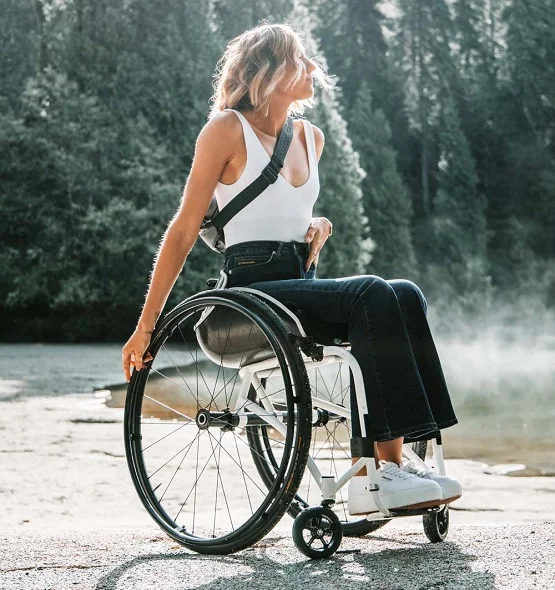
For many wheelchair users, clothing is about much more than style.
The right clothing can improve comfort, make dressing easier, help maintain independence and reduce some of the daily frustrations associated with living with limited mobility.
Unfortunately, most clothing available on the high street is designed for people who spend their day standing and walking. When you’re seated for long periods, ordinary clothing can quickly become uncomfortable or impractical.
At Able2Wear, we understand these challenges because we’ve spent years helping wheelchair users, carers and families find adaptive clothing designed around real-life needs.
In this guide, we’ll explain what makes clothing truly wheelchair-friendly, who can benefit from adaptive clothing and the key features to look for when choosing garments designed for life in a wheelchair.
Why Standard Clothing Often Doesn’t Work for Wheelchair Users
Many people are surprised to learn that standard trousers, jeans and tops are rarely designed with wheelchair users in mind.
Common problems include:
- Waistbands digging into the stomach
- Trousers slipping down at the back
- Pressure points caused by seams and fastenings
- Fabric bunching around the hips and knees
- Difficulty managing buttons and zips
- Reduced comfort during long periods of sitting
While these issues may seem minor at first, they can significantly affect comfort and confidence over time.
What Features Make Clothing Wheelchair-Friendly?
Higher Back, Lower Front Design
One of the most common features of wheelchair-adaptive trousers is a higher back rise combined with a lower front.
This helps maintain coverage while seated and prevents the discomfort that many wheelchair users experience when standard trousers slip down at the back.
Flat Seams
For people who spend much of their day seated, seams can create pressure points and irritation.
Flat seams help reduce friction and improve comfort during prolonged sitting.
Easy-Access Fastenings
Many wheelchair users also experience reduced hand strength, dexterity or mobility.
Features such as:
- Velcro fastenings
- Side zips
- Drop-front openings
- Easy-grip closures
can make dressing significantly easier and help support greater independence.
Clothing Designed Around a Seated Position
Wheelchair-adaptive clothing is designed around how the body naturally sits.
This often includes:
- Shaped seating areas
- Flexible waistbands
- Softer fabrics
- Reduced bulk around pressure areas
These design features help improve both comfort and practicality.
Who Can Benefit from Wheelchair-Adaptive Clothing?
Adaptive clothing is often associated with wheelchair users, but it can benefit many people living with mobility challenges.
This includes people affected by:
- Multiple Sclerosis (MS)
- Parkinson’s Disease
- Stroke
- Cerebral Palsy
- Muscular Dystrophy
- Spinal Cord Injury
- Arthritis
- Age-related mobility limitations
It can also make life easier for carers who regularly assist with dressing.
Common Types of Wheelchair-Adaptive Clothing
Wheelchair Trousers
Specially designed to provide greater comfort while seated and often feature higher backs, easier fastenings and reduced pressure points.
Drop Front Trousers
Ideal for people who require easier dressing or toileting access while maintaining dignity and independence.
Wheelchair Jeans
Providing the familiar appearance of denim while incorporating adaptive features for seated comfort.
Wheelchair Shorts
A practical option during warmer weather while retaining the benefits of adaptive design.
Adaptive Tracksuit Bottoms
Offering a comfortable and practical everyday clothing solution.
Organisations That Can Help
Living with a disability or mobility condition can sometimes feel overwhelming, but there are many organisations that provide support, advice and practical resources.
- Scope – Advice, support and information for disabled people and their families.
- Disability Rights UK – Guidance on benefits, independent living and disability rights.
- Motability – Information about mobility schemes and accessible transport solutions.
- MS Society UK – Support and advice for people living with Multiple Sclerosis.
- Parkinson’s UK – Information and practical support for people affected by Parkinson’s.
- Spinal Injuries Association – Resources and support for people living with spinal cord injuries.
Frequently Asked Questions
What is wheelchair-adaptive clothing?
Wheelchair-adaptive clothing is clothing specifically designed to improve comfort, practicality and ease of dressing for people who spend significant periods seated or have mobility limitations.
What clothes are best for wheelchair users?
The best clothing for wheelchair users is designed around seated comfort. Features such as higher backs, flat seams, easy-access fastenings and adaptive cuts can make a significant difference to comfort and independence.
Why are ordinary trousers uncomfortable in a wheelchair?
Standard trousers are designed for standing and walking. When seated, they can slip down at the back, create pressure points and bunch up around the hips and legs, leading to discomfort.
Can adaptive clothing help people with limited hand function?
Yes. Many adaptive garments use Velcro fastenings, side zips or drop-front openings that are easier to manage than traditional buttons and zips.
Is adaptive clothing only for full-time wheelchair users?
No. Many people who use wheelchairs part-time, mobility scooters or have reduced mobility find adaptive clothing beneficial.
How can clothing help maintain independence?
Clothing that is easier to put on, remove and manage can reduce reliance on carers and help people maintain greater independence in their daily routines.
Are wheelchair trousers different from normal trousers?
Yes. Wheelchair trousers are often designed with features such as higher backs, lower fronts, shaped seating areas and adaptive fastenings to improve comfort while seated.
Can adaptive clothing help carers?
Many carers find adaptive clothing makes dressing routines quicker, safer and less physically demanding, helping reduce stress for both the carer and the person receiving assistance.
What conditions can benefit from adaptive clothing?
Adaptive clothing can help people living with Parkinson’s Disease, Multiple Sclerosis, stroke-related disabilities, arthritis, spinal cord injuries, muscular dystrophy, cerebral palsy and many other mobility conditions.
Is adaptive clothing available in stylish designs?
Absolutely. Modern adaptive clothing is available in a wide range of styles, including jeans, chinos, shorts, tracksuit bottoms and formal wear, allowing people to prioritise comfort without sacrificing appearance.
Finding Clothing That Works for You
Every wheelchair user has unique needs, but comfort, dignity and independence are priorities shared by many.
The right clothing can make daily life easier, improve confidence and help reduce many of the challenges associated with standard garments.
At Able2 Wear, we know that adaptive clothing isn’t simply about getting dressed – it’s about helping people live more comfortably and independently. Understanding what makes clothing truly wheelchair-friendly is often the first step towards finding garments that genuinely improve everyday life.